The first pedigree I ever handed to a new kitten owner felt like handing over a little piece of family history – because that is exactly what it is. A pedigree is the document that turns a lovely kitten into a properly recorded pedigree cat, and every breeder needs to know how to produce a good one.
New owners expect a pedigree when they collect a pedigree kitten, and you need reliable records of your cats’ ancestry to plan future matings. The whole point of breeding pedigree cats is to take the random element out of reproduction and use careful, selective planning instead. Without an accurate record of ancestry, that simply is not possible. This article walks through exactly what belongs on a pedigree and how to make one yourself, and it sits alongside my complete guide to breeding Siamese cats.
What must be included on a cat’s pedigree?
A pedigree is a record listing the cat’s parents, grandparents and so on, giving you and the new owner clear information about the cat’s ancestry. As a pedigree cat, all the ancestors should also be registered as pedigree cats of the same or accepted breeds with the GCCF (or another bona fide registry).
How many generations?
A pedigree should show at least three generations before the kitten – parents, grandparents and great-grandparents on both sides. In practice, most serious breeders provide a fuller pedigree going back four or, better still, five generations. A five-generation pedigree is the standard I always work to, and it is exactly what you should expect when vetting a queen for your own breeding. The pedigree should also list breed numbers and registration numbers. The breed number tells you the breed and colour (for example, SIA d is a red point Siamese), and the registration number confirms the cat is registered with the GCCF.
The kitten’s registered name
The kitten’s registered pedigree name goes on the pedigree. This is usually a long name such as Stripeysocks Caramel Truffle. The first part, Stripeysocks, is the breeder’s prefix and stays at the front of every kitten that breeder produces – rather like a trademark. Some breeders do not hold their own prefix, in which case kittens are registered under a GCCF prefix that changes by year and breed. Both the prefix and the chosen name stay with the cat for life.
The kitten’s registration number
The kitten should be registered with the GCCF or another governing body, and that registration number must appear on the pedigree. You will need it for any correspondence with the registry and if the cat is ever shown or bred from.
The kitten’s details, breeder’s details and signature
Include the kitten’s breed, colour, sex and date of birth. The breeder’s name, contact details and address must appear too – and this is a perfect spot to add your website address. Having everything in one place makes it easy for the new owner to reach you in future. Finally, the pedigree must be signed by the breeder to confirm it is true and accurate to the best of their knowledge.
Deluxe touches that cost nothing
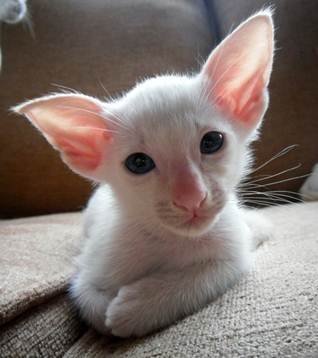
A few simple extras transform a plain pedigree into a really special one, usually at no extra cost. Add a photo of the kitten to the front or back, and photos of the sire and dam in their boxes – if you do not own the sire, the stud owner will almost always be happy to let you use a picture. Add your logo or cattery name. And once it is finished, laminate it to keep it pristine, or roll it and tie it with a ribbon to make it feel like a real keepsake.
Making your own pedigree
There is plenty of pedigree software out there and, having used most of it over the years, I will happily say it makes life easy – I use Breeders Assistant myself. The only snag is the cost, and cat breeding is already an expensive hobby. The good news is you do not need software at all. With a basic grasp of Word you can build a perfectly good five-generation pedigree yourself, complete with photos and your logo. All the fields are editable and it really is straightforward once you have the template laid out.
Pedigrees are just one piece of the puzzle
My complete guide to breeding Siamese cats brings registration, planning, rearing and rehoming together in one place.
Frequently Asked Questions
How many generations should a cat pedigree show?
At least three – parents, grandparents and great-grandparents – but the standard I always work to, and the one you should expect when assessing a queen, is a full five-generation pedigree. The more generations you can see, the better you can plan matings and judge the health of the lines.
Do I need special software to make a pedigree?
No. Software such as Breeders Assistant is convenient and I use it myself, but you can produce an excellent five-generation pedigree in Word once you have a template set up. There is no rule that a pedigree must be software-generated.
What does a breed number like SIA d mean?
It tells you the breed and colour of the cat. SIA is Siamese and the lower-case letter denotes the colour – SIA d, for example, is a red point Siamese. These breed numbers, alongside registration numbers, appear against each cat on the pedigree.
Does every ancestor on the pedigree need to be registered?
For a genuine pedigree cat, yes – the ancestors should all be registered as pedigree cats of the same or accepted breeds with the GCCF or another bona fide registry. That registered chain of ancestry is what makes the pedigree meaningful.
If you want to understand how the different registers affect what a pedigree means, the GCCF’s registration policies page explains the full, supplementary and reference registers clearly.
Ross has bred and shown Siamese cats for many years. You can read more about him and this site on the about page.
Pedigrees and colour go hand in hand — our Siamese colour genetics guide shows how colour is recorded and inherited.