
Hand feeding is something almost every cat breeder has to do at one time or another. This is the method that has worked best for me over many years of breeding Siamese.
When I first started breeding I had cosy images of orphaned kittens dozing in front of the Aga and bottles of milk warming gently on the side. The reality hit home the night I was suddenly left with seven newborn kittens to hand feed, and my rose-tinted glasses were firmly knocked off at the first 2am feed. Hand feeding is a lifeline for the kittens that need it — but it is exhausting, relentless work, and it is not something to take on lightly.
I wrote this guide to share what I learned the hard way. Everyone has their own favourite tricks; this is simply the approach I trust. For a vet-backed overview alongside my hands-on method, International Cat Care’s hand-rearing guide is a good companion. And if you would like the wider picture first, I cover the whole journey in my complete guide to breeding Siamese cats.
Why Hand Feed Kittens?
There are several reasons a litter might need topping up or feeding entirely by hand:
- The kittens are orphaned.
- There are too many kittens for the queen to feed — with a litter of eight, the smallest are often pushed off and left struggling.
- The queen is unwell, or on medication that means she shouldn’t feed them (your vet will advise).
- The queen has had a caesarean and is still too sleepy or sore to feed at first, so the kittens need help until she takes over.
- A kitten is too weak or poorly to suckle and just needs a few days of top-up feeds to gain the strength to go back to mum.
You’ll sometimes read that kittens may need hand feeding for the first day to avoid colostrum where the queen is a different blood group. That is a real risk in some breeds — but not in Siamese or Oriental breeds, which are uniformly blood group A, so it doesn’t apply when you’re mating within the breed group.
When Should You Start?
The first sign that something is wrong is almost always weight. Weigh your kittens once or twice a day and keep a note. As a rough rule of thumb you can expect around a ten-gram daily gain, though every kitten is different — don’t panic over a slow day. Look at the overall pattern instead: is she gaining most days, content between feeds, well hydrated and toileting normally? If the answer to any of those is no, consider hand feeding — ideally after a word with your vet or an experienced breeder first.
The Basics
Ideally a kitten should stay with her mother while being hand fed, unless she genuinely has to be separated (for instance if the queen is on medication that could pass through her milk). If you do have to take her away, keep her in a warm box with a heat pad — newborn kittens can’t regulate their own temperature for the first few weeks. You are stepping into the queen’s shoes, so the job isn’t just milk: it’s warmth, cleaning, toileting and a great deal of patience.
Which Milk?
Kittens need a specific balance of fat, carbohydrate and vitamins that simply isn’t in cow’s milk, so always use a proper kitten milk replacement. It gives them the energy and nutrients they need to grow, and it won’t upset their stomachs the way cow’s milk does. Commercial powders are available from your vet or online, and they’re very easy to make up — just follow the instructions on the tin.
What To Use
There are three main ways to feed, each with its place:
- Syringe — excellent for a kitten who is reluctant, weak or sick, but you must take real care not to flood the lungs.
- Bottle — lets a kitten suckle more naturally, but a weak feeder may not manage the teat.
- Tube feeding — gets milk straight to the stomach, but it’s dangerous if the tube goes in wrongly. I cover that fully in my separate tube-feeding article.
I focus on syringe feeding here, as I’ve found it more successful than bottle feeding for newborns. One warning: avoid putting teats on the end of syringes — they can be swallowed, with disastrous consequences.
Sterilising
A hand-fed kitten isn’t getting the antibodies she’d take from her mother, which leaves her very vulnerable to infection — especially from poorly washed equipment. Syringes are hard to get truly clean, so I sterilise everything before use. A cheap microwave steam steriliser from any baby shop does the job perfectly.
Equipment Checklist
If you’re expecting a litter, it pays to have the essentials ready:
- 1ml syringes (sterilised or in sterile packaging, from your vet or a medical supplier)
- A clean container to mix the milk
- Kitten milk powder
And the non-essentials that make life easier on a long stint: sealable baby bottles for storage, a steriliser, muslin or terry towelling for spills, accurate scales, small pots for milk, and a dish to warm those pots.
How To Hand Feed a Kitten
- Warm the milk to body temperature — cold milk can sit and stagnate in the stomach. Test a drop on your inner wrist, as you would a baby’s bottle.
- Wrap the kitten in a towel with just her head free, enclosing her legs so she can’t struggle away from the syringe.
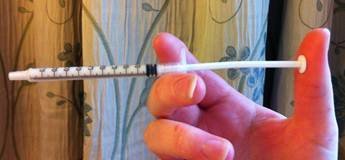
- Sit her upright in one hand and offer the syringe with the other. A 1ml syringe gives you the best control of the flow for a newborn.
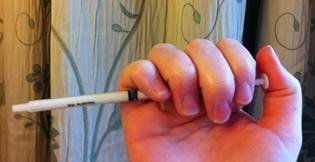
- Hold the syringe with your hand around the barrel and your thumb on the plunger — far more controlled than pinching it between your fingers.
- Insert the syringe gently to the side of the mouth, never pointed down the throat.
- Depress very slowly, giving her plenty of time to swallow. Kittens often push the milk back out with their tongue at first — this takes patience to convince her the milk isn’t poison! A fat little belly and steady weight gain tell you it’s going in.
How Often?
The packaging gives a guide, but as a rule a newborn needs around 2ml every two hours, day and night. That means setting an alarm through the night, and very possibly taking time off work — you’ll need an understanding boss. With a litter of seven or eight, by the time you’ve fed the last one it’s nearly time to start again. The gaps lengthen as they grow, and by four weeks the end is in sight as weaning begins and you can finally catch up on sleep.
The Aspiration Pneumonia Danger
This is the one to take seriously. If milk goes down the nose or into the lungs it can cause aspiration pneumonia, which is potentially fatal. The warning sign is a milky bubble or milk at the nose. Act fast: clear the airway by supporting her head and gently tipping her forward, wiping the nose as you go, or use a baby nasal aspirator. If you suspect she has aspirated milk, get her to your vet straight away — she’ll likely need antibiotics to head off infection.
Toileting
Kittens can’t toilet themselves — their mother licks their tummy and bottom to stimulate them to empty. Hand feeding means doing that job too: gently rub the bottom with warm, damp cotton wool or towelling before and after each feed.
Most of the time you’ll have a contented litter with fat bellies, suckling happily from mum. But sooner or later breeding asks you to step in, and being prepared beforehand means you can make that decision calmly and do it well. For planning feeds, weaning and vaccination timings around a litter, my free Litter Planner tool works the dates out for you.
Planning a litter?
My free Litter Planner works out due dates, weaning, worming and vaccination timings from your mating date — so you know exactly when the demanding days are coming.
Frequently Asked Questions
Can I use cow’s milk to hand feed kittens?
No. Cow’s milk lacks the fat, protein and vitamins kittens need and commonly causes diarrhoea. Always use a proper kitten milk replacement from your vet or a pet supplier.
How much should a newborn kitten eat?
As a guide, around 2ml every two hours for a newborn, adjusted to the instructions on your milk replacement and the kitten’s weight. Steady daily weight gain is the best sign you’ve got it right.
Is syringe or bottle feeding better?
For weak or reluctant newborns I prefer a 1ml syringe for the control it gives. A bottle suits a stronger kitten that can suckle well. Never fit a teat to a syringe — it can be swallowed.
How do I know if a kitten has inhaled milk?
Look for a milky bubble or milk at the nose, or coughing and distress. Clear the airway immediately and get to your vet — inhaled milk can cause fatal aspiration pneumonia.
I’ve bred and reared Siamese for many years — more about me and this site here.