
There is a particular kind of bond you form with a stud cat. I love all my girls dearly, but I will be honest with you – the bond I have with my studs is something else entirely, and it has to be experienced to be understood.
That said, keeping a cat for stud is not a decision to take lightly. It comes with real pitfalls and serious responsibilities as well as its rewards. This is my honest introduction to owning your own stud boy: the good, the costly and the things people never warn you about. It sits alongside my complete guide to breeding Siamese cats, so do read that too for the bigger picture.
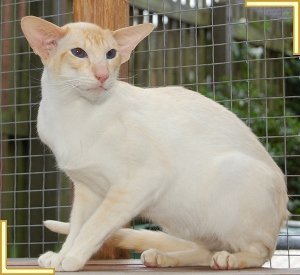
Saving money on stud fees
When I first started breeding, one expense I was glad to see the back of was stud fees. In Siamese a stud fee is usually about half the price of a kitten. Add the FIV/FeLV screening and the travelling costs and you can easily be looking at several hundred pounds to go out to stud – and that is before you spend three weeks on tenterhooks waiting for your girl to pink up so you know she is in kitten. If she is not, it means another screen, more travel and probably another day off work for the repeat. Owning your own boy takes all of that off the table.
The reality of stud cat housing
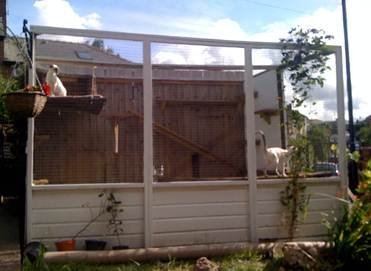
Here is the part many people do not want to hear: your boy will almost certainly have to live outside. The vast majority of entire males spray to mark territory and attract females, and your house will stink if you do not provide proper outdoor stud quarters. There is another reason too – if any of your girls come into call, he will mate them, and that includes his own sisters, daughters and even his mum. You need to control your matings, not have every queen in the house in kitten at once.
Once you have accepted he lives outdoors, there is a lot to plan: size, location, insulation, heating, lighting, entertainment and separate queen’s quarters. The GCCF’s guidance recommends an outdoor stud house of at least 6ft by 6ft by 6ft, well insulated and ventilated, with an attached run. Get this right before you ever bring a boy home.
Enjoy showing your stud cat
One of the real pleasures of owning my own stud is taking him to shows. All else being equal, a top-quality male will usually beat a top-quality female – I am not being sexist, it is simply my experience. And those of us in this hobby like to win. Showing also lets you see how your boy measures up against studs from other catteries, which tells you where he excels and where he is a little weaker, so you can cater his wives to his strengths.
Keeping your stud boy happy
Your stud should be the biggest, strongest and healthiest cat in your breeding programme. Selection, regular health checks, good cattery husbandry and a top-quality diet all keep him in tip-top condition. Keep his vaccinations up to date and his FIV/FeLV screening current.
Mentally, his happiness matters just as much. Toys, scratching posts, shelving and a good view from his run all help, but two things matter above all. First, your company – please do not leave him at the bottom of the garden with human contact only at feeding time. Set aside an hour every single day to sit with him, talk to him and groom him. Second, girls. The balance varies cat to cat, but most boys need female company roughly every six weeks. Do you have enough queens for him? Can you cope with all the kittens? If you open him to public stud, will he actually get work? Ask yourself all of this before you commit.
Far less stressful for your girls
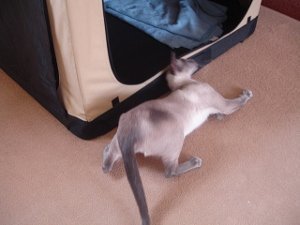
A big benefit of your own stud is being able to pop a calling girl in with him there and then – no screening logistics, no travel, no expense. With maiden girls especially, it is not unusual for a queen not to conceive on her first mating, so I like a maiden’s first visits to be in-house. Keeping her stress down by avoiding a long journey to an outside cattery greatly improves her chances, and I can personally supervise every mating. You can read more about a queen in call and what it means in my dedicated article.
Keeping progeny from your stud
Any decent stud will eventually sire a kitten you want to keep – a good one will almost do it every litter if you are doing things right. But keeping a home-bred kitten brings a complication. Who will be its future mate? If she is female you will go out to stud or buy in an unrelated male; if he is male you now have two boys to keep happy and at least one of your girls will be far too closely related to him. Keep one kitten and you may find you actually need to keep or buy in several. It is how one cat leads to another.
Allowing outside girls into stud
Opening your boy to visiting queens keeps him occupied and benefits the breed’s gene pool. It sounds like the perfect solution – female company without filling your own house with kittens. In reality, life is not that simple. Accepting a girl into stud is a big responsibility: screening certificates, clipped nails, separate sleeping quarters, more paperwork, increased infection and parasite risk, supervising and witnessing matings, making sure your boy is not over-zealous, and the risk of injury from a fiery girl. It is hard work, believe me.
There is also fashion to contend with. A boy might be the in-thing for a while, but if a breeder gets the keeper they wanted, why would they come back? And if someone gets a litter of pets with no keeper, they will not repeat the mating either. Studs come in and out of fashion as the interpretation of the standard evolves. No stud, however good, will be kept happy by visiting girls indefinitely.
Thinking it through properly?
My complete guide to breeding Siamese cats covers studs, queens, matings and everything in between in one place.
Frequently Asked Questions
Does a stud cat have to live outside?
For most entire males, yes. They spray heavily to mark territory and will mate any calling female in the house, including close relatives, so proper outdoor stud quarters are the sensible answer. Some boys can live indoors with hormonal implants if only the occasional litter is wanted, but that route carries its own risks and needs careful veterinary planning.
How often does a stud cat need a queen?
It varies, but most boys need female company roughly every six weeks or so to stay content. Before you keep a stud, be honest about whether you have enough queens of your own, or enough genuine outside demand, to keep him happy.
What health screening does a stud cat need?
Keep his vaccinations current and screen him for FIV and FeLV, holding a recent negative certificate – owners of visiting queens will rightly want to see it, and you should insist on the same from them. Your breed’s registration and breeding policies may also require specific DNA tests, such as the PRA-rdAc test in Siamese, so make sure those are in place before he sires a litter.
Can I make money opening my stud to public service?
Rarely as much as people imagine. Boys go in and out of fashion, repeat business is not guaranteed, and the work, risk and paperwork involved are considerable. Keep a stud because you can keep him happy and because he benefits your own breeding, not as a money-spinner.
For the full breed-society view, the GCCF’s keeping a stud page sets out the housing, health and rule requirements in detail.
Ross has bred and shown Siamese cats for many years and has kept his own studs throughout. You can read more about him on the about page.